Soft Landscaping in Wimbledon
If you are looking for soft landscaping in Wimbledon, you are probably at the stage where your outdoor space needs more than a tidy-up. Maybe the garden feels plain after building work, the front boundary needs a better finish, or a commercial site needs planting that looks smart all year round. Soft landscaping is the part of landscape work that brings life, texture, colour, and structure to a property without relying on hard surfaces alone. It includes the living elements and natural finishes that make a space feel settled, welcoming, and usable.
In Wimbledon, gardens and external areas come in many forms. Some properties have compact rear gardens behind Victorian terraces, while others have wider lawns, side returns, or shared outdoor areas around apartment buildings. There are also schools, offices, retail units, and hospitality spaces that need planting and turfing to look presentable through the seasons. A local soft landscaping service needs to suit these different property types, work around access limitations, and create practical results that match the character of the area.
Whether you want fresh turf, new planting beds, a low-maintenance scheme, or a complete garden refresh after construction, the right approach starts with understanding how the space is used. Soft landscaping is not only about appearance; it also affects drainage, privacy, wildlife value, maintenance needs, and the overall feel of a property. If you are planning a project in Wimbledon or nearby, it helps to work with a team that understands local conditions and customer expectations.
What soft landscaping includes

Soft landscaping covers the natural and living parts of an outdoor space. It is often the finishing stage after paving, fencing, retaining walls, or other structural work, but it can also be a standalone service for existing gardens that need renewal. The aim is to create a balanced outdoor setting that feels complete and works for everyday use.
Typical soft landscaping services in Wimbledon may include turfing, planting, soil preparation, mulching, lawn edging, bed creation, and seasonal refreshes. For many homes and businesses, the service can also include reshaping borders, improving poor soil, removing tired planting, and setting up spaces that are easier to maintain. Good soft landscaping supports the long-term health of your garden as well as its appearance.
It can be as simple as replacing thin lawn with quality turf and adding a few carefully chosen shrubs, or as detailed as planning a layered planting scheme with colour across the year. The work should suit the site, the light levels, the size of the garden, and the amount of time the customer wants to spend on maintenance.
Common elements included in a soft landscaping project
Depending on the property and the brief, a soft landscaping package may include:
- Turf supply and laying for new lawns or lawn replacement
- Planting design and installation for borders, beds, and feature areas
- Soil improvement to help plants and lawns establish better
- Mulching to retain moisture and reduce weed growth
- Edging and border definition for a neat, finished look
- Hedge planting and screening for privacy and structure
- Seasonal planting for colour and interest
- Reinstating gardens after construction or external alterations
Why Wimbledon properties benefit from a local soft landscaping team

Wimbledon is a place where outdoor spaces vary significantly from one road to the next. A local team has to understand not just planting choices, but the practical realities of working in the area. Access can be tight in terrace gardens, parking may be limited on busy residential streets, and some commercial sites need work completed with minimal disruption. These details matter when planning soft landscaping work.
Local knowledge also helps when choosing plants and turf that are likely to establish well in the conditions you actually have. South-facing gardens, shaded plots, windy spots, and compact urban plots all behave differently. A team that regularly works in Wimbledon, Southfields, Merton Park, Raynes Park, Colliers Wood, and neighbouring areas can recommend approaches that fit the site rather than applying a one-size-fits-all solution.
Another benefit of using a nearby soft landscaping company is practical coordination. Deliveries, material handling, and site access all need planning. If a garden can only be reached through the house, or if a business premises needs work outside opening hours, a local service is often better placed to adapt. That flexibility can make a real difference to the smooth running of the project.
Local conditions that affect the work
In Wimbledon, soft landscaping often needs to account for:
- Restricted access through side gates, alleyways, or internal entrances
- Limited parking for vans, soil deliveries, and plant transport
- Varying levels of shade from mature trees and neighbouring buildings
- Mixed soil quality in older gardens and altered plots
- Townhouse, flat, and mews property layouts
- Shared external areas for apartments, offices, and managed buildings
These factors influence how materials are brought in, how waste is removed, and how planting is organised. A well-planned local project avoids unnecessary disruption and helps the finished landscape settle in properly.
Soft landscaping services for homes and businesses

Soft landscaping is valuable for all kinds of customers. Homeowners often want a garden that feels more usable, while commercial clients usually need a site that looks neat, professional, and easy to maintain. The same basic principles apply, but the priorities can differ.
For residential clients, the focus may be on transforming a tired garden into a space for relaxing, entertaining, or family use. That could mean replacing patchy grass, planting for privacy, or softening new hard landscaping with beds and greenery. For commercial customers, the emphasis is often on presentation, durability, and consistency. Office courtyards, entrance areas, schools, and hospitality venues need planting that supports a positive first impression without demanding excessive upkeep.
Soft landscaping in Wimbledon is especially useful where a property has recently been improved structurally but still feels unfinished. New paving or fencing can look stark without planting, while a bare garden can seem smaller and less welcoming. The right mix of lawn, shrubs, ground cover, and seasonal interest can bring balance to the whole site.
Residential soft landscaping
Homeowners often request work such as:
- New lawns for family gardens
- Border redesign for clearer structure
- Privacy planting along fences and boundaries
- Low-maintenance planting for busy households
- Refreshes after extensions, basement works, or patio installation
Commercial soft landscaping
Business and managing agents may need:
- Entrance planting and tidy frontage improvements
- Courtyard planting for apartment developments
- Ground cover and shrub planting for reduced maintenance
- Seasonal colour for customer-facing spaces
- Reinstatement after building or access works
How a soft landscaping project works

A good project starts with a clear discussion about what you want the space to do. Do you want more privacy? A lawn for children or pets? A smarter front garden? Better screening around a boundary? Or perhaps a planting scheme that looks attractive while remaining easy to care for? The answers shape the proposal and the work sequence.
Once the brief is agreed, the site is assessed for access, sunlight, soil condition, drainage, and any existing features that should stay or be removed. This helps determine what preparation is needed. In many cases, successful soft landscaping depends on good groundwork. If soil is compacted, poor-quality, or full of debris, plants and turf may struggle later. Preparation is often the difference between short-lived results and a landscape that settles in well.
The installation phase may involve clearing old growth, improving soil, laying turf, installing planting, and finishing details like edging or mulch. A tidy handover matters too. Customers usually want a space that feels complete, not a site left half-finished. Depending on the size of the project, there may also be advice on watering, establishment, and early care.
Typical stages of the service
- Initial discussion about goals, style, and maintenance preference
- Site visit or assessment to understand access and conditions
- Planning of materials, planting choices, and work schedule
- Site preparation, including clearance and soil improvement
- Installation of turf, planting, beds, edging, or mulch
- Final tidying and checks to ensure the area is ready to use
For larger or more complex sites, the work may be phased to avoid disruption. This is particularly useful for shared residential developments, busy commercial entrances, or properties where access must remain available.
Planting choices that suit Wimbledon gardens
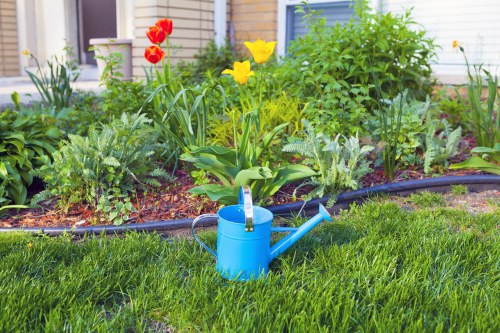
Plant selection is one of the most important parts of soft landscaping. The right plants will look good, fit the available space, and cope with the conditions they are given. Wimbledon gardens can be bright and sheltered, but they can also be overlooked, shaded, or exposed to wind. Choosing plants based on the actual site is much better than selecting them purely for appearance.
For many local customers, the best results come from combining structure and seasonality. Evergreen shrubs provide year-round form, while perennials, grasses, and flowering plants add variety. If a garden is small, planting should create depth without overcrowding. If privacy is a priority, layered planting or hedging may be more effective than a solid fence alone. When done well, planting can make a garden feel larger, softer, and more settled.
It is also worth considering how much maintenance you want. Some people enjoy a garden that changes throughout the year, while others want a tidy scheme that needs only basic upkeep. The planting plan should match that preference. A local soft landscaping service can help balance visual impact with practicality so the garden stays manageable over time.
Planting ideas often used in local projects
- Evergreen screening for privacy
- Mixed shrub borders for texture and structure
- Low-maintenance planting for busy households
- Pollinator-friendly plants for a more natural look
- Seasonal colour for entrance areas and front gardens
- Ornamental grasses and perennials for movement and softness
Planting should also be scaled correctly. A tiny border filled with oversized species can become crowded quickly, while sparse planting can look unfinished. Good design gives each plant room to establish and contribute to the overall balance of the garden.
Why soil preparation matters
Even the best planting scheme can struggle if the soil is poor. Preparation may include removing weeds, breaking up compacted ground, adding topsoil, and introducing compost or other organic matter where suitable. This gives roots a better start and helps water reach the right areas. In Wimbledon, where some gardens have been altered over time, soil conditions can vary a lot from one section of the plot to another.
Lawns, turfing, and green finishes
A fresh lawn remains one of the most requested parts of soft landscaping because it changes the feel of a garden immediately. A tired, patchy, or uneven lawn can make the whole outdoor space feel neglected, even if other parts of the garden are in decent condition. Replacing it with well-prepared turf can transform the look and usefulness of the area.
In Wimbledon, turfing is often chosen for family gardens, communal outdoor areas, and front gardens where a neat natural finish matters. The key is not just laying turf, but preparing the ground properly. Levels need to be right, the soil should be suitable, and drainage should be considered. If the site is badly prepared, the lawn may not establish evenly. A strong start creates a better result later.
Some customers prefer a new lawn because it is practical for children, pets, and general use. Others want a green area simply to soften the appearance of a garden and frame patios or planting beds. Either way, the finish should be even, healthy, and appropriate for the amount of sun and wear the lawn is likely to receive.
When turfing may be the right choice
- The current lawn is thin, uneven, or full of weeds
- The garden has recently been reshaped or extended
- A property needs a quick visual improvement
- There is a need for a usable surface rather than just planting
- The site should look tidy and established for family or visitors
For some plots, alternative groundcover or a reduced-lawn design may be more practical. In shaded or narrow gardens, a mix of planting and hard finishes may work better than trying to maintain a full grass area.
Benefits of choosing professional soft landscaping
Many people begin with a rough idea of what they want but are not sure how to make it work in their garden. Professional soft landscaping helps bridge that gap by turning a wish list into a practical, attractive plan. It is especially useful when the project needs to be done efficiently, with careful handling of materials and attention to detail.
One benefit is consistency. A garden can look neat on day one, but lasting improvement depends on the quality of the preparation and installation. Another benefit is better use of space. A trained eye can often spot ways to improve flow, add privacy, or create a stronger sense of shape without making the space feel cramped. This matters in Wimbledon, where many gardens need to do a lot within a modest footprint.
Professional work can also reduce stress. Soft landscaping projects often involve coordination between delivery, clearance, planting, and finishing, especially where access is restricted. Having a local team manage the process can save time and help avoid mistakes such as poor plant spacing, unsuitable soil improvement, or turf laid on weak preparation.
Key customer benefits
- Better-looking outdoor spaces
- Improved privacy and structure
- More usable lawns and planting areas
- Lower-maintenance options where needed
- Better results after building or renovation work
- Practical handling of access and site constraints
Pricing factors for soft landscaping work
Customers often want to know what affects the cost of a project before requesting a quote. While exact figures vary from site to site, several practical factors influence the level of work required. Understanding these helps you compare options fairly and plan the project with confidence.
Site size is an obvious factor, but it is not the only one. A small garden with difficult access can take more time and labour than a larger open site. The condition of the existing ground also matters. If the area needs clearing, levelling, weed removal, or significant soil improvement, this will affect the scope of work. Plant choice, turf quality, and the amount of material needed all influence the final proposal as well. Every garden is different, and the best quote reflects the actual work needed.
For Wimbledon customers, access and parking are often important considerations too. If materials need to be carried a long distance from the vehicle, or if work must be arranged around busy street conditions, these practical details can affect the time needed on site. Commercial work may also require out-of-hours scheduling or phased delivery, which can influence planning.
Factors that may affect the quote
- Garden or site size
- Condition of the existing soil and planting
- Amount of clearance or waste removal required
- Type and quantity of turf, plants, or mulch needed
- Access limitations and parking arrangements
- Whether the work is residential or commercial
- Need for drainage-related preparation or levelling
If you are comparing options, it helps to ask what is included in the service. That way you can understand whether the quote covers preparation, materials, installation, and finishing, rather than just the most visible part of the work.
How to prepare for your soft landscaping project
There are a few simple steps customers can take to make the project run more smoothly. Good preparation helps the team work efficiently and reduces the chance of delays. It also gives you a better result because the site is ready for the proposed changes.
If you are planning soft landscaping in Wimbledon, clear communication about the existing garden and your priorities is very helpful. Let the team know what you want to keep, what should be removed, and how you intend to use the space once the work is complete. If there are narrow access points, shared paths, or parking restrictions, mention these early so the job can be planned properly.
It is also useful to think about maintenance from the start. A garden designed for easy upkeep will be very different from one intended to look full and colourful through the year. The clearer your brief, the better the final result is likely to be.
Preparation checklist for customers
- Decide what you want to improve or replace
- Identify any plants, features, or trees to retain
- Check access routes for tools and materials
- Make parking or entry arrangements where needed
- Think about how much upkeep you want after completion
- Share any timing preferences for residential or business use
If the project follows building work, it may also help to wait until heavy construction traffic has finished before final turfing or planting takes place. That reduces the risk of damage to the finished landscape.
Areas covered around Wimbledon
Customers looking for soft landscaping in Wimbledon often also need help in the surrounding neighbourhoods. Local service is especially useful where projects span more than one area or where access and parking vary between streets. Nearby places commonly served include Southfields, Raynes Park, Merton Park, Colliers Wood, Wimbledon Village, Wimbledon Park, Wandsworth, and parts of Morden and New Malden.
Many projects in these areas involve similar challenges: compact rear gardens, shared entrances, planted courtyards, and outdoor spaces that need to be smart without becoming high maintenance. A local team that works across southwest London can adapt the approach to suit the property type and the customer’s goals.
Whether the site is a family home, a rental property, a block of flats, or a business frontage, the aim is the same: create a well-finished outdoor space that looks purposeful and is practical to maintain. Choosing a nearby service can make it easier to schedule the work and keep the project moving.
Property types often served
- Terraced and semi-detached homes
- Detached family houses
- Apartment courtyards and shared gardens
- Retail and hospitality frontages
- Office and business premises
- Schools and managed communal areas
FAQs about soft landscaping in Wimbledon
Below are some of the questions customers commonly ask before booking soft landscaping work. These are useful if you are planning a new garden, updating an existing space, or restoring an area after building work.
How is soft landscaping different from hard landscaping?
Soft landscaping refers to the living and natural elements of a garden or outdoor area, such as turf, plants, trees, soil, and mulch. Hard landscaping includes structural features like paving, walls, decking, and fences. Many projects use both, but soft landscaping is what adds growth, colour, and texture.
Can soft landscaping be done in a small Wimbledon garden?
Yes. In fact, smaller gardens often benefit greatly from thoughtful planting, lawn replacement, and better layout. Careful selection of plants and finishes can make a compact space feel more open, tidy, and inviting.
What if my garden has poor soil?
Poor soil is common in many older or altered gardens. It can often be improved through clearance, cultivation, and the addition of suitable topsoil or organic matter. A proper site assessment helps determine the best approach.
Do I need a full redesign, or can I just improve part of the garden?
You do not need a full redesign to make a meaningful difference. Many customers choose targeted improvements such as a new lawn, refreshed borders, or privacy planting along one side of the garden. Smaller changes can still have a big impact.
How long does soft landscaping take?
Timescales depend on the size of the area, access, preparation required, and the type of work involved. A simple turfing or planting job may be relatively quick, while larger or more complex projects may take several stages. A local assessment is the best way to understand the schedule.
Is soft landscaping suitable for commercial sites?
Absolutely. Commercial sites often benefit from structured planting, neat lawns, and low-maintenance schemes that create a professional appearance. The work can also be planned around opening hours or access requirements where needed.
Why customers book soft landscaping now
Many people put off garden improvements because they think the work will be too disruptive or too complicated to plan. In reality, once the space is assessed and the priorities are clear, soft landscaping can be a straightforward way to transform a property. The earlier you address tired planting, poor turf, or unfinished ground, the sooner you can enjoy the benefits.
For Wimbledon properties, the value of a well-finished outdoor space is easy to see. It improves day-to-day enjoyment at home, supports a better presentation for businesses, and helps properties feel cared for. Whether you want a fresh start after construction or a more refined finish for an existing garden, the right service should make the process feel manageable and worthwhile.
If you are ready to improve your outdoor space, request a free quote or contact us today to discuss the work you have in mind. A short conversation about the site, access, and your goals is often the best first step. Book your service now and take the next step toward a greener, more usable, and better-finished property.
Next steps
- Share your project goals and the type of property
- Describe the access and any site limitations
- Explain whether you want planting, turfing, or both
- Ask what preparation is needed before work begins
- Request a quote based on your specific site
Soft landscaping in Wimbledon is about more than filling space with plants. It is about shaping an outdoor area so it suits the property, the people using it, and the level of upkeep you are happy to manage. Done well, it can lift the entire look and feel of a home or business.