Modern Slavery Statement for Landscaping Wimbledon
 Landscaping Wimbledon is committed to conducting business with integrity, fairness, and respect for human rights. This Modern Slavery Statement sets out the measures we take to prevent slavery, servitude, forced labour, and human trafficking in our operations and supply chains. We recognise that landscape services, grounds maintenance, and plant procurement can involve multiple layers of labour and sourcing, so vigilance is essential.
Our approach is built on zero tolerance. We do not accept any form of exploitation in our workforce or among suppliers, contractors, or partners. This applies equally to permanent staff, seasonal workers, and subcontracted labour. If a concern is identified, Wimbledon landscaping teams are instructed to act immediately, investigate thoroughly, and escalate where necessary. Compliance is not treated as a box-ticking exercise; it is a core part of how we operate.
We maintain clear internal standards through recruitment checks, right-to-work verification, and ethical procurement procedures. In practice, landscaping in Wimbledon means more than maintaining outdoor spaces; it means supporting a responsible business culture. Training is provided to managers and relevant staff so they can identify warning signs such as withholding of documents, unsafe accommodation, wage deductions, or restricted movement. These measures help ensure that Wimbledon landscapers uphold lawful and humane working conditions.
Supplier Oversight and Audits
 Our supplier management process is designed to reduce risk at every stage of the supply chain. Before engagement, suppliers are assessed for ethical standards, labour practices, and transparency in sourcing. Where appropriate, we require written confirmation that they share our zero-tolerance policy toward modern slavery. This is particularly important where materials, plants, or outsourced labour may be sourced from higher-risk regions.
We carry out supplier audits on a risk-based basis, prioritising new suppliers, high-value contracts, and categories with elevated labour concerns. Audits may include document checks, labour policy reviews, and verification of subcontractor arrangements. If non-compliance is found, we will seek corrective action within a defined timeframe. Where remediation is not possible or where serious breaches are identified, the relationship may be suspended or terminated.
For landscaping Wimbledon projects, supplier accountability helps protect both people and service quality. We expect our suppliers to maintain accurate records, pay workers fairly, and prevent coercion or hidden fees. Any attempt to conceal labour abuses is treated as a serious breach of trust. Our procurement teams are trained to recognise suspicious indicators and to report concerns promptly through internal governance channels.
Reporting Concerns and Safe Channels
 We encourage an open culture where concerns can be raised without fear of retaliation. Staff, contractors, and suppliers may report suspected modern slavery issues through internal managers, designated safeguarding leads, or formal whistleblowing routes. Reports can be made confidentially, and all concerns are reviewed objectively. Landscaping Wimbledon will never tolerate victimisation of anyone who raises a genuine issue in good faith.
Where a concern is received, it is logged, assessed, and escalated according to severity. We may request further information, conduct interviews, review payroll or attendance records, and engage specialist support where required. If there is immediate risk to a worker, we will prioritise safety and cooperate with relevant authorities. Our aim is not only to detect abuse, but also to prevent it from recurring within the Wimbledon landscaping supply network.
We also communicate expectations to workers through induction materials and contractor briefings, using clear and accessible language. This helps ensure that people understand their rights, how to report concerns, and what will happen after a report is made. In this way, Wimbledon landscapers can contribute to an environment where exploitation is less likely to remain hidden.
Monitoring, Governance, and Review
 Responsibility for this statement sits with senior management, who oversee risk monitoring, supplier compliance, and remedial action. Performance against our modern slavery controls is reviewed alongside broader governance and health-and-safety processes. We record incidents, audit outcomes, and training completion rates so that trends can be identified and addressed proactively. This structured oversight supports a consistent ethical standard across landscaping in Wimbledon.
We are committed to continual improvement and recognise that modern slavery risks can change over time. Accordingly, this statement and our supporting controls are reviewed annually and updated where necessary to reflect changes in legislation, business activity, and supply-chain risk. The annual review considers whether our procedures remain effective, whether supplier audits need strengthening, and whether additional training or reporting channels are required.
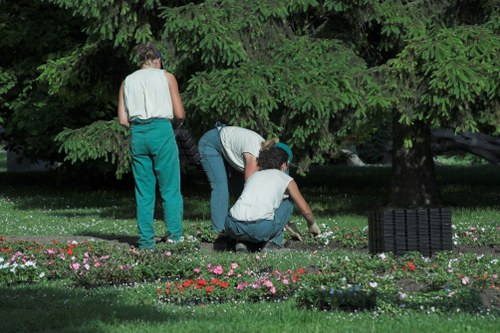 Through this approach, Landscaping Wimbledon aims to help prevent exploitation, promote transparency, and maintain responsible working relationships. Our statement reflects a practical commitment: to know our supply chain, challenge poor practice, and protect the dignity of every worker involved in our operations. We believe that ethical landscaping services should be rooted in accountability, care, and respect for human rights.